From Concept to Completion: The Way Deck Builders Transform Your Ideas Into Reality
Deck builders play an essential role in transforming outdoor spaces. They begin by understanding client needs and preferences, guiding them through material selections and design options. This teamwork-based method ensures the completed structure reflects the homeowner's expectations. As the build moves forward, contractors handle regulatory considerations and preserve clear dialogue. Still, many homeowners may question what particular stages are part of this journey and how they influence the final result.
Essential Questions to Define Your Ideal Deck
When conceptualizing the perfect deck, what key elements should be taken into account? First and foremost, one must evaluate their main reason for the deck. Is it for entertaining guests, creating memories with family, or peacefully enjoying personal time? Recognizing the primary function guides design decisions considerably.
Following this, the ideal dimensions and configuration must be established. This requires analyzing existing space and how the deck will integrate with current structures and landscape elements.
Furthermore, it is important to consider the patio's positioning and sunlight access. This determines daily comfort levels and affects the selection of materials.
Lastly ease of access is vital; straightforward access to the property and adjacent areas will boost overall usability. By addressing these vital questions, property owners can create a defined vision that builds the foundation for their dream deck, guaranteeing it satisfies their personal lifestyle demands while complementing the overall outdoor setting.
Selecting Deck Materials for Your Dream Backyard Space
Picking the ideal materials for a deck can considerably affect both its appearance and lasting quality. Property owners regularly explore several choices, including PVC, wood, and composite materials. Real wood, such as cedar or similar hardwoods, delivers a timeless look and can be finished or painted to suit any style. That said, it demands consistent care to avoid rot and splintering.
Composite decking materials, combining wood fibers and plastic, deliver a virtually maintenance-free solution that stands up against fading and staining. The wide range of available colors and textures makes them an attractive choice for numerous applications.
PVC deck boards, manufactured wholly from plastic, provides outstanding durability and moisture resistance, ensuring longevity in various climates.
Ultimately speaking, the picking of materials should match the property owner's vision, financial plan, and care preferences, facilitating a tailored outdoor space that embodies their personal style while standing the test of time.
Designing Your Deck: Working With Professional Experts
Converting an idea into an impressive deck design typically necessitates working closely with skilled professionals. Deck builders and designers collaborate directly with their clients to comprehend their tastes, lifestyle, and visual objectives. This collaboration begins with an initial consultation, where visions are shared and essential needs are outlined.
Professionals leverage their expertise to suggest materials, layouts, and features that match the client's vision while maintaining durability and functionality. They may provide 3D renderings, allowing clients to envision the completed project and make informed decisions.
During the design journey, clear communication plays a vital role. Homeowners are invited to share their ideas and questions, while specialists deliver advice and expertise. This partnership not only elevates creative potential but also optimizes the overall workflow, guaranteeing that the completed deck captures the homeowner's personal vision and requirements. In the end, the collaboration fosters a smooth transition from concept to a stunning exterior living area.
Deck Building Permits: What You Need to Know?
As the design process advances, understanding the regulatory landscape becomes essential for homeowners considering deck construction. Building permits for decks are frequently necessary to ensure adherence to local building codes and zoning regulations. These permits preserve the structural stability and security of the deck, addressing factors like height, size, and location.
Homeowners ought to commence by reaching out to their municipal building office to ascertain particular requirements. The application process typically involves submitting detailed plans, which outline the deck's design and materials. Furthermore, certain regions may mandate evaluations at multiple phases of construction.
Neglecting to secure the required permits may result in penalties, forced removal, or setbacks in the building process. Homeowners are encouraged to work closely with skilled deck construction professionals who are familiar with regional permitting requirements, enabling a more seamless transition from planning to completion while preventing common obstacles associated with permitting.
What You Can Anticipate During the Deck Building Phase
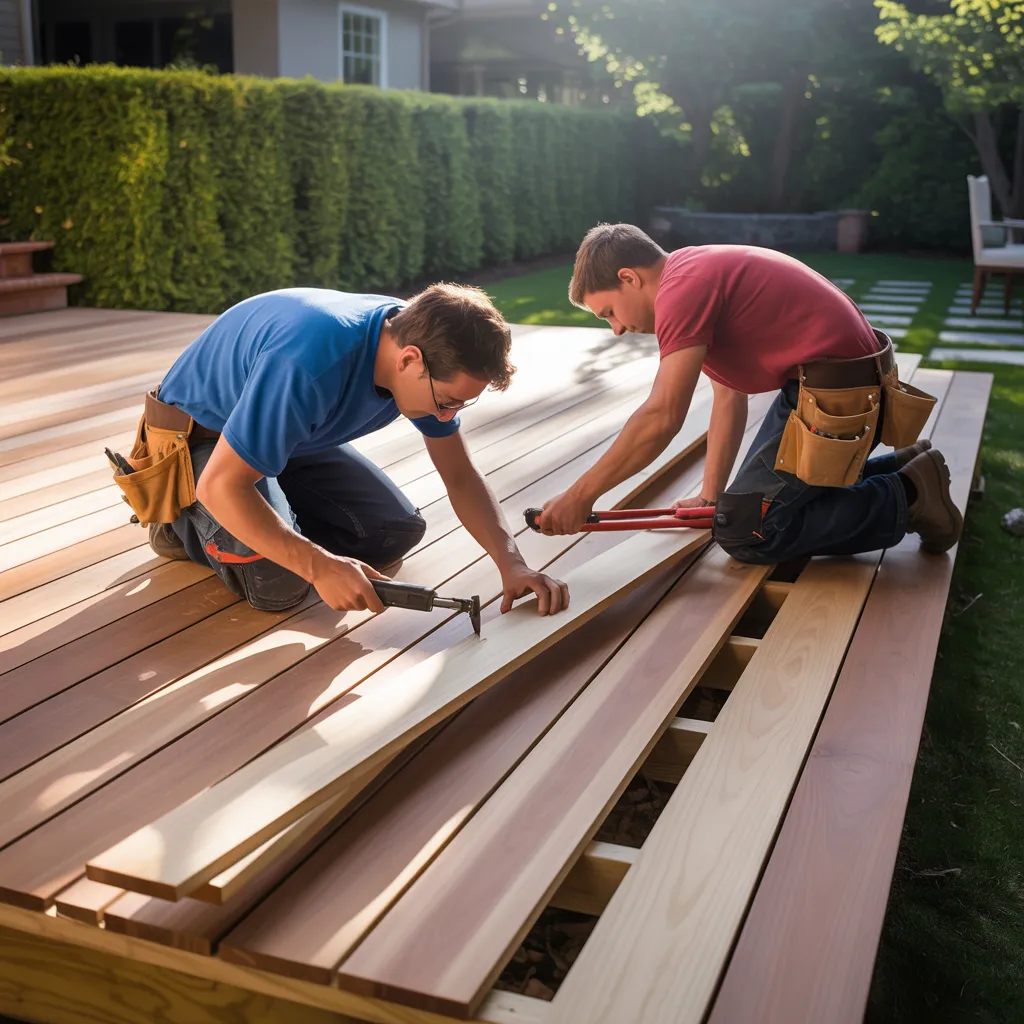
In the deck construction stage, homeowners can expect a structured approach that brings their designs to life. First, the construction area will be readied, ensuring it is even and free of expert advice any obstructions. The deck construction team will then map out the design based on the approved blueprints, identifying critical locations for posts and beams.
Subsequently, they will install the structural foundations, including footings and support posts, which offer solid support. When the framework has been set up, the contractors will add the decking material and joists, guaranteeing correct spacing and alignment. During this entire process, homeowners and property owners can expect frequent updates and clear communication from the deck builders, responding to any questions or concerns.
Safety is of the utmost importance, so contractors will comply with local building codes and regulations. Upon completion, once the construction phase is finished, a detailed inspection will verify the deck meets all specifications, laying the groundwork for the final details that will enhance the overall aesthetic.
Following Construction: Important Deck Care Tips
Once deck construction has been successfully completed, homeowners make maintaining its integrity and appearance a top priority. Routine upkeep not only improves the deck's appearance but also prolongs its lifespan. To begin, homeowners should routinely clean the deck, clearing away debris and dirt to inhibit mold growth. Employing a mild cleaning solution and a soft brush is suggested to protect the surface from damage.
Sealing the deck is crucial, above all for timber-based decks. A top-grade sealant shields against moisture, ultraviolet rays, and weathering. Property owners should renew the sealant every one to three years, depending on environmental conditions.
Examining for worn boards, loose nails, or structural problems needs to be carried out on a seasonal basis. Quick repairs can stop more serious damage from occurring. Furthermore, thoughtful furniture arrangement and the application of protective mats can help reduce wear and tear. By implementing these care recommendations, homeowners can be confident their deck will continue to serve as a stunning and versatile outdoor retreat for years to come.

Commonly Asked Questions
How Much Time Does the Full Deck Construction Process Usually Take?
The complete deck construction process generally requires one to several weeks in total, based on factors including design intricacy, the availability of materials, and weather conditions. Each project varies, influencing the overall timeline notably.
What Are the Most Popular Design Trends for Decks Today?
Nowadays, trending design choices for decks consist of multi-level structures, incorporated lighting features, environmentally conscious materials, and unrestricted floor plans that blend inside and outside environments. Organic finishes and striking colors are also gaining traction among homeowners searching for up-to-date aesthetic qualities.
Can I Add Features Like Lighting or Seating Later?
Yes, extra elements like lights or seating options can be installed down the line. Experienced deck constructors often advise considering future improvements during the primary construction phase to secure smooth incorporation and copyright the structural stability while adapting to changing design needs.
How Do Weather Conditions Affect the Construction Timeline?
Weather conditions greatly impact construction timelines. Precipitation, freezing conditions, or severe temperatures may disrupt material shipments, reduce worker efficiency, and impair equipment performance, ultimately extending the project's duration and requiring careful planning to mitigate these potential setbacks.
What Types of Warranties or Guarantees Do Deck Builders Usually Provide?
Deck contractors generally provide warranty coverage for materials and workmanship, covering periods of one to ten years. Certain contractors may also offer lifelong guarantees on particular products, guaranteeing durability and client satisfaction across the full duration of the deck's life.